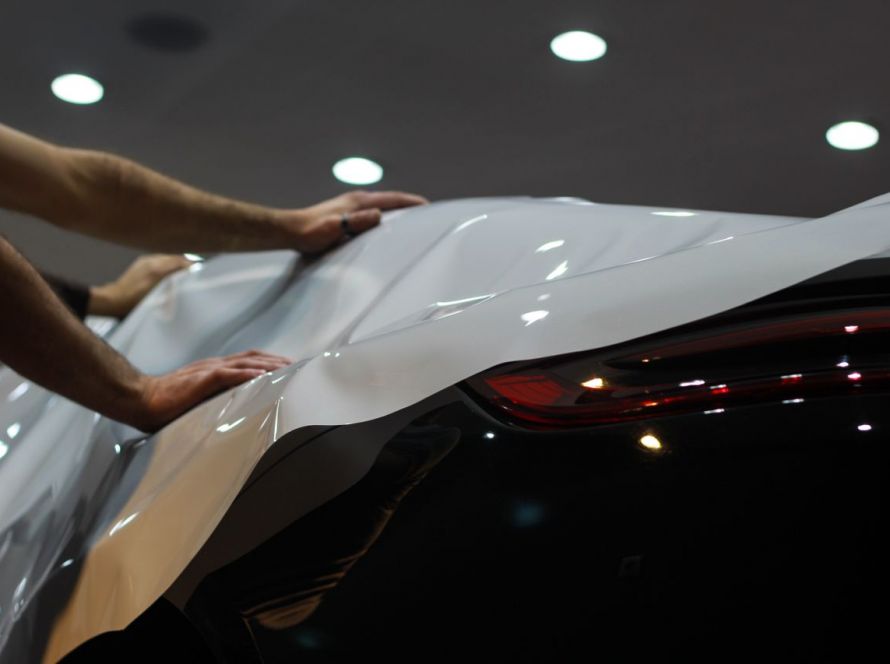
Ceramic tint is a window film that uses microscopic ceramic particles to block a large share of the sun’s infrared heat while still letting visible light through. That sets it apart from standard dyed films, which mostly darken the glass. Two films can look the same shade on your car and still perform very differently on a hot afternoon.
A tinted car that still feels like an oven after an hour in the sun usually has a film problem, not a shade problem. The way a film is built decides how much heat it stops, and ceramic construction tends to come out ahead, especially for California drivers who need to keep their front windows light.
How Heat Gets Into Your Car
Sunlight carries energy in three main forms:
- Visible light: What you see. It brightens the cabin and creates glare.
- Infrared (IR) light: Invisible, but you feel it as heat on your skin, seats and dashboard.
- Ultraviolet (UV) light: Invisible and not felt as heat, but it damages skin and fades interiors. The EPA outlines the health effects of sun exposure, from skin aging to eye damage.
Heat rejection is about how well a film stops the sun’s total energy from reaching the cabin. Infrared accounts for a large share of the heat you feel, so a film that handles IR well can keep a car noticeably cooler without needing to be dark.
How Standard Window Films Handle Heat
“Standard film” usually refers to dyed, carbon or metallized films. Each takes a different approach.
Dyed film
Dyed film uses a layer of dye to darken the glass. It reduces glare and adds privacy, and it is usually the most affordable option. It works mainly by absorbing light, so the film itself warms up, and some of that heat still reaches the cabin. Its heat rejection is generally modest, and lower-grade dyes can fade or turn purple over time.
Carbon film
Carbon film uses carbon particles instead of dye. It holds its color better than dyed film and typically rejects more heat, with a matte, dark look. Its heat performance is still closely tied to how dark the shade is.
Metallized film
Metallized film contains tiny metal particles that reflect solar energy away from the glass. It can reject heat well, but the metal can interfere with phone, GPS and radio signals. It also tends to have a shinier, more reflective appearance that some owners do not want.
Why Ceramic Tint Rejects More Heat
Ceramic tint uses nano-ceramic particles that are selective about what they block. They target infrared wavelengths, the part of sunlight you feel as heat, while letting more visible light pass through.
That selectivity gives ceramic tint several advantages over standard films:
- Strong heat rejection without a dark shade. Because performance comes from the ceramic layer rather than darkness alone, a lighter ceramic film can reject more heat than a darker dyed film.
- No signal interference. Ceramic films contain no metal, so they avoid the phone, GPS and radio interference that metallized films can cause.
- High UV protection. Quality aftermarket films block about 99% of UV rays, according to the International Window Film Association’s facts about window film (accessed October 2026). The association also says film can reduce solar heat by up to about 55%.
- Clear, low-glare appearance. Ceramic films are generally non-reflective, so they keep a clean, factory-style look from outside and good clarity from inside.
- Color stability. Ceramic particles are not prone to the fading seen in lower-grade dyes, so the film generally holds its color longer.
Not every ceramic film performs at the same level. Manufacturers make several grades, and performance varies by product line and shade. Comparing spec sheets is the only reliable way to know what you are buying.
Ceramic Tint vs Standard Film at a Glance
| Dyed film | Carbon film | Metallized film | Ceramic tint | |
| How it handles heat | Absorbs light | Absorbs light | Reflects solar energy | Targets infrared |
| Heat rejection | Generally modest | Moderate | Can be strong | Typically high for the shade |
| Signal interference | None | None | Possible | None |
| Appearance | Dark, can fade | Matte, stable | Shiny, reflective | Clear, non-reflective |
| Relative cost | Lowest | Mid-range | Mid-range | Highest |
Why Film Type Counts Under California Tint Law
California law limits how much tint can go on the front side windows. Under California Vehicle Code § 26708, film on the front side windows must be clear, with a minimum visible light transmittance of 88%, and the window with film applied must still let through at least 70% of visible light.
That rule puts a cap on how much a darker film can do for the driver and front passenger. A dyed film light enough to be legal on those windows offers little heat control. A light ceramic film works differently. Because it targets infrared rather than visible light, it can reduce heat on the windows closest to you while keeping them clear.
On the rear side and back windows, where California allows darker shades if the car has outside mirrors on both sides, ceramic tint typically combines privacy with stronger heat rejection than a dyed film of the same shade.
How to Compare Heat Rejection on a Spec Sheet
Tint marketing can be confusing, so focus on the numbers manufacturers publish:
- Visible light transmission (VLT): How much visible light passes through. Higher VLT means a lighter film.
- Total solar energy rejected (TSER): The share of total solar energy, including visible, infrared and UV, that the film keeps out. It is the most useful single figure for overall heat performance.
- Infrared rejection (IRR): How much infrared the film blocks. Manufacturers measure this in different ways and over different wavelength ranges, so a high IR figure on one brand may not compare directly with another.
- UV rejection: How much UV the film blocks. Quality films typically list 99%.
When you compare films, compare the same shade and look at TSER first. When you book window tinting with our team, ask to see the spec sheet for the exact film and shade you are considering, and keep in mind that results on your car can differ from lab figures, which are usually measured on standard flat glass.
What Affects Real-World Results
Film choice is only part of the outcome. A few other factors shape how cool your car feels:
- Which windows are treated. Tinting only the rear windows leaves the front glass and windshield letting in more heat. Coverage across all legal areas makes a bigger difference.
- Installation quality. Gaps at the edges, trapped dust or poorly fitted film reduce performance and spoil the look. Precise cutting and clean application by a certified installer protect both.
- Your vehicle’s glass. Some cars come with factory-tinted or solar glass, which changes how much any film adds.
- How you park. Even a high-performing film works harder in full afternoon sun than in shade, so parking habits still play a part.
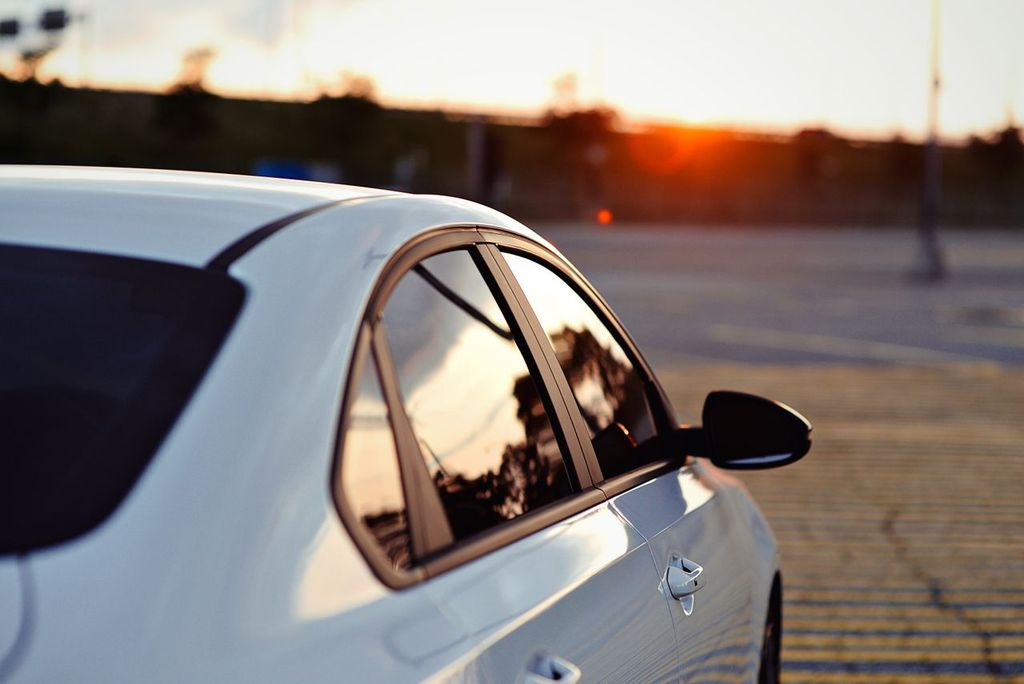
Is Ceramic Tint Worth the Higher Price?
Ceramic tint usually costs more than dyed or carbon film because the materials and manufacturing are more advanced. Whether the extra cost makes sense depends on how you use your car.
Ceramic tint makes the most sense if:
- Your car spends a lot of time parked or driving in direct sun
- You want better heat control on the front windows while staying within California’s limits
- You rely on phone, GPS or other connected features and want to avoid signal issues
- You plan to keep the car for years and want film that holds its color
A standard film may be enough if your main goal is privacy on the rear windows, your car is usually garaged, or budget is the priority.
Ceramic Tint FAQs
1. Is ceramic tint darker than regular tint?
Not necessarily. Ceramic tint comes in a range of shades, from very light to very dark. Its heat rejection comes from the ceramic particles rather than darkness alone.
2. Does ceramic tint block 100% of heat?
No film blocks all heat. Ceramic films reduce the amount of solar energy entering the cabin, but some heat still passes through the glass and the car will still warm up in the sun.
3. Can ceramic tint go on the windshield?
California only allows film on the topmost portion of the windshield. Ask your installer what is permitted for your vehicle before choosing a windshield treatment.
4. How long does it last?
Lifespan depends on the film, the installation and how the car is used. Premium films usually carry a manufacturer’s warranty against problems such as peeling, cracking and color change, so ask your installer which warranty applies to the film you choose.
5. Is ceramic tint the same as nano-ceramic tint?
The terms are often used interchangeably, since automotive ceramic films use nano-sized ceramic particles. Performance still varies between product lines, so compare spec sheets rather than names.
Choose Window Film With Confidence
The right film depends on your car, your driving and the look you want, and the result depends just as much on installation. At Craftsman Wrap and Tint, our certified installers measure, cut and apply premium films from 3M and SunTek with precision, aiming for clean edges and a bubble-free finish.
Check our frequently asked questions or request a quote to talk through film options for your vehicle. If heat is your main concern, ceramic tint is the film type worth comparing first.