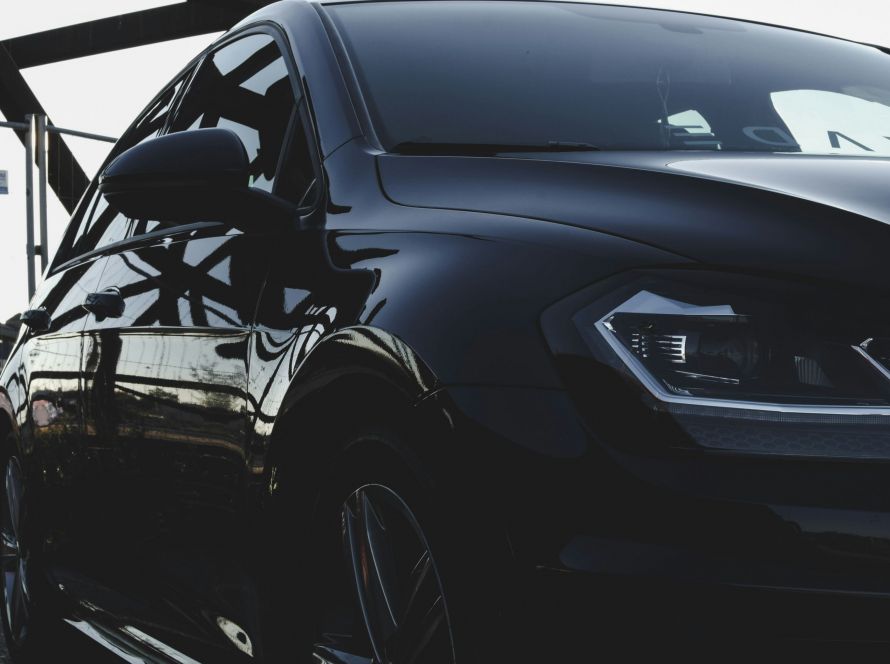
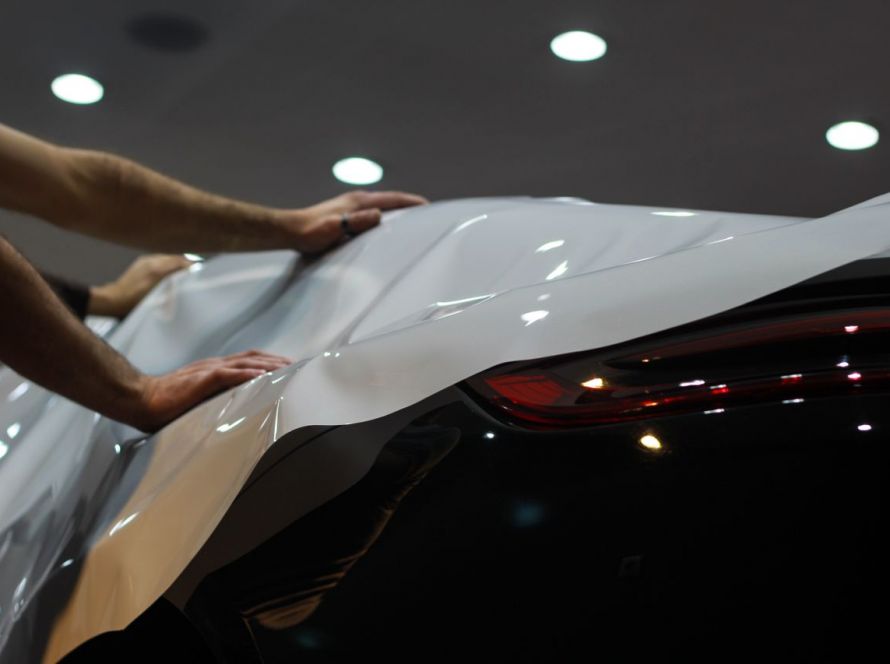
Window tint is a thin film applied to the inside of your car’s glass to control how much light, heat and ultraviolet (UV) radiation passes through. Done well, it keeps the cabin cooler, cuts glare, adds privacy and protects both you and your interior from the sun.
For drivers in Buena Park and across Orange County, where sunny days are the norm for much of the year, those benefits show up on every commute. Each benefit depends on the film you choose and where it goes on the car, and California law sets clear limits on the front windows.
How Window Tint Works
Automotive window film is made of thin layers of polyester with treatments that absorb or reflect parts of the sun’s energy. Sunlight reaches your car in three forms:
- Visible light, which you see and which creates glare
- Infrared (IR) light, which you feel as heat
- Ultraviolet (UV) light, which you cannot see or feel but which damages skin and interior materials
Different films handle each of these differently. The darkness of a film is described by its visible light transmission (VLT), the percentage of visible light that passes through. A 70% film lets most light in and looks very light. A 5% film lets little light in and looks almost black.
A darker film is not automatically better at blocking heat or UV. Those depend on the film’s construction, which is why the type of film matters as much as the shade.
Comfort: A Cooler Cabin and Less Glare
Heat builds up quickly in a parked car. Sunlight passes through the glass, warms the seats, dashboard and steering wheel, and that heat stays trapped inside.
Quality window tint reduces the amount of solar energy that enters the cabin. In practice, that means:
- Seats and steering wheels that are more comfortable to touch after the car has been parked in the sun
- An air conditioning system that does not have to work as hard to cool the cabin
- More even temperatures for passengers in the back seat, who often sit closest to untreated side glass
Tint also cuts glare from low sun, reflective surfaces and bright pavement. Less squinting means less eye strain on long drives, and it can make screens and dashboard displays easier to read in bright light.
UV Protection for You and Your Passengers
Many drivers assume their car’s glass already blocks UV. The windshield usually does a good job. The side windows often do not.
A study published in JAMA Ophthalmology in 2016, summarized in a news release on low levels of ultraviolet A light protection in car side windows, measured UVA protection in 29 cars from 15 manufacturers. Windshields blocked an average of 96% of UVA rays, while side windows blocked an average of only 71%. Just 4 of the 29 cars blocked more than 90% of UVA through the driver’s side window.
The Skin Cancer Foundation explains why in a 2026 Ask the Expert article. Most modern windshields are laminated, so they already block almost all UV. Side and rear glass usually blocks UVB but lets more UVA through. UVA is linked to tanning and skin aging and can contribute to skin damage that may lead to skin cancer.
According to that same Skin Cancer Foundation article, clear window film can block 99% of UV light, and darker tints do not offer better UV protection than clear UV film. That is a helpful point for California drivers. Even a very light, legal film on the front side windows can add strong UV protection.
Protecting Your Car’s Interior
The same UV exposure that affects skin also affects your cabin. Over time, sunlight can fade upholstery, dry out leather and contribute to cracking on dashboards and trim.
Window tint that blocks UV helps slow that process. It will not stop all wear, but it reduces one of the main causes of sun damage inside the car. For owners who plan to keep their vehicle for years, or who have invested in a premium interior, that protection helps preserve the cabin.
Privacy and Security
Tinted rear windows make it harder for people outside to see into your car. That gives passengers more privacy and keeps bags, electronics and other belongings out of plain sight when the car is parked.
The level of privacy depends on the shade. Darker films on the rear side and back windows offer the most privacy, while lighter films still soften the view into the cabin. Tint is not a substitute for locking your car and keeping valuables out of sight, but it removes the easy glance that can attract unwanted attention.
California Window Tint Laws: What Drivers Should Know
California has specific rules on where film can go and how much light it must let through. These rules are set out in California Vehicle Code § 26708, as amended effective January 1, 2026. The main points:
- Windshield: Film is allowed only on the topmost portion of the windshield, and its bottom edge must sit at least 29 inches above the undepressed driver’s seat. It cannot be red or amber, and it cannot reflect more glare than the windshield would without it.
- Front side windows: Film here must be clear, with a minimum visible light transmittance of 88%, and the window with film applied must still let through at least 70% of visible light. The film must be designed to enhance the glass’s ability to block UVA rays.
- Rear side windows and back window: These can be tinted darker, as long as the car has outside mirrors on both the left and right sides.
- Certificate: For film on the front side windows, the driver must carry a certificate signed by the installing company confirming the windows meet the legal requirements.
- Medical exemptions: The code includes limited exemptions for people with certain medical conditions, supported by a letter or certificate from a licensed physician, optometrist or dermatologist, depending on the exemption.
Tint laws can change, so check the current code before choosing a shade. Our certified installers can help you choose shades that stay within the rules while still giving you the comfort and protection you want.
Choosing the Right Window Tint Film
Window films vary in how they are made and how they perform. The most common types include:
- Dyed film: Uses dye to darken the glass and reduce glare. It is usually the most affordable option, but it typically rejects less heat and can fade over time.
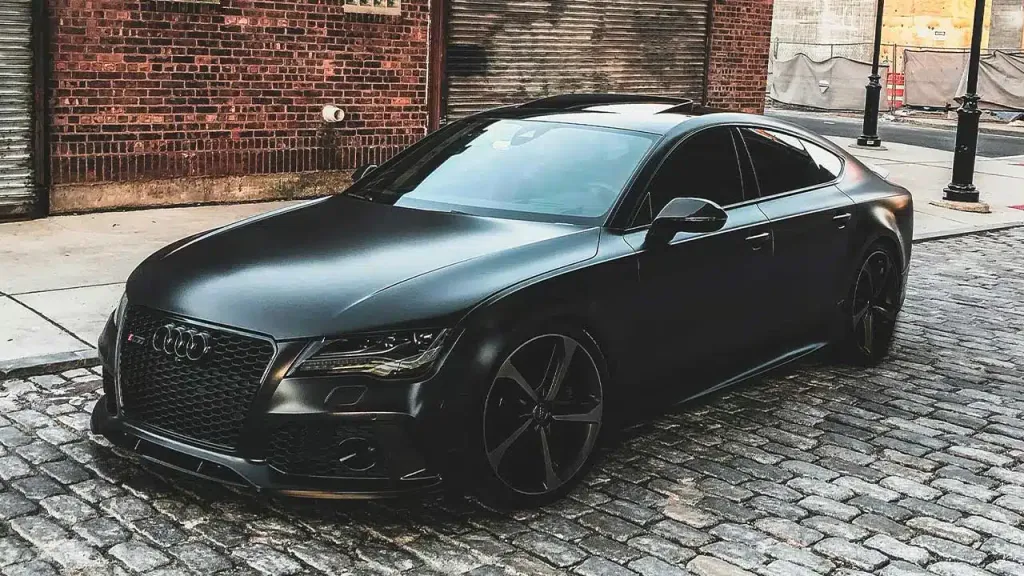
- Carbon film: Uses carbon particles for a matte, dark appearance and better heat performance than dyed film, without the fading issues of lower-grade dyes.
- Ceramic film: Uses nano-ceramic particles that target infrared heat. It can reject a meaningful amount of heat even in lighter shades, and because it contains no metal, it does not interfere with phone, GPS or radio signals.
When comparing films, ask for the manufacturer’s spec sheet. Look at VLT for the shade, UV rejection, and total solar energy rejected (TSER) for overall heat performance. Comparing those numbers side by side tells you far more than shade alone.
Quality counts too. Low-grade films can bubble, peel or turn purple as their dyes break down. Established manufacturers such as 3M and SunTek publish spec sheets and warranty terms you can review before choosing, and our window tinting service uses films from both.
What to Expect After Installation
Most window tint jobs take a few hours, depending on the size of the vehicle and how many windows are being tinted. After installation:
- Keep the windows up for the period your installer recommends, so the film can bond to the glass.
- Expect some haziness or small water pockets for the first few days. These usually clear as the remaining moisture evaporates.
- Clean gently. Use a soft microfiber cloth and an ammonia-free glass cleaner to protect the film.
- Avoid sharp objects near the film, such as rings, seat belt buckles or ice scrapers on the inside of the glass.
Window Tint FAQs
1. Does window tint help outside of summer?
Tint mainly reduces incoming solar heat and glare, so its effect is most noticeable on sunny days. UV exposure and low-angle glare continue through the cooler months, so the protection applies year-round.
2. Will window tint affect visibility at night?
Light and mid-range shades keep night visibility comfortable for most drivers. Very dark films reduce visibility more, which is one reason to choose shades with your driving habits in mind.
3. Can old window tint be removed and replaced?
Yes. A professional can remove old film and its adhesive, then install new film. It is a common fix for older tint that has bubbled, peeled or faded.
4. Does window tint affect phone or GPS signals?
Films that contain metal can interfere with phone, GPS and radio signals. Dyed, carbon and ceramic films contain no metal, so they do not cause that problem.
5. How dark should rear window tint be?
It depends on how much privacy you want and how comfortable you are with reduced visibility at night. California allows darker film on the rear windows when the car has outside mirrors on both sides, so view samples in daylight and after dark before deciding.
Professional Window Tint in Buena Park
The difference between average tint and great tint is in the details, clean glass, precise cuts, tight edges and a bubble-free finish. At Craftsman Wrap and Tint, our certified installers measure, cut and apply each film with care, using premium films from 3M and SunTek.
Read common questions on our FAQ page or get a quote for your car. If you want a cooler, more private cabin with lasting UV protection, professionally installed window tint is a practical upgrade for daily driving in Southern California.