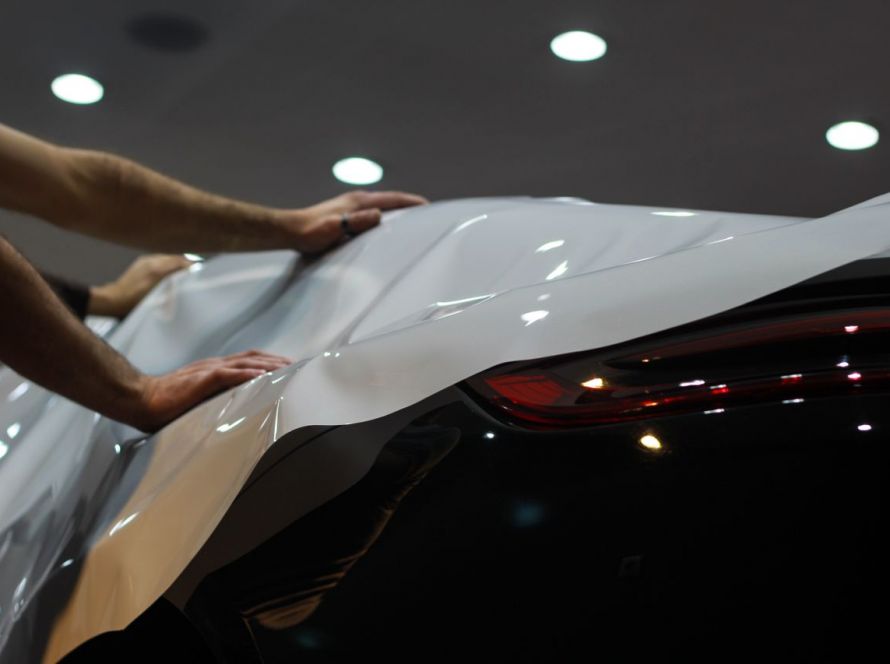
Ceramic coating is a liquid protective layer that bonds to your car’s clear coat and cures into a hard, glossy, water-repelling shell. It deepens the shine of your paint, makes everyday dirt far easier to wash off and helps shield the finish from sun, bird droppings and road grime for years rather than weeks.
It is also an often-misunderstood upgrade. Some owners expect it to stop rock chips. Others assume it means never washing the car again. Neither is true. Knowing what a coating does well, and where it stops, makes it easier to judge whether it suits your car and the way you drive.
What Is Ceramic Coating?
A ceramic coating is a liquid polymer, usually built around silica (SiO2), that is applied by hand to a vehicle’s painted surfaces. As it cures, it bonds with the clear coat and forms a thin, transparent layer that sits on top of the paint.
That bond is what separates a coating from wax. Wax rests on the surface and wears away with washing and weather. A cured coating becomes part of the surface you touch, so it lasts far longer and resists breaking down when it meets soap, rain and heat.
Most professional coatings are applied to paint, but many products can also be used on wheels, glass, trim and headlights. Your installer will tell you which surfaces the product they use is rated for.
How Ceramic Coating Improves Your Car’s Shine
The shine you see on a freshly coated car comes from two things working together, the condition of the paint underneath and the clarity of the coating on top.
The paint is corrected first
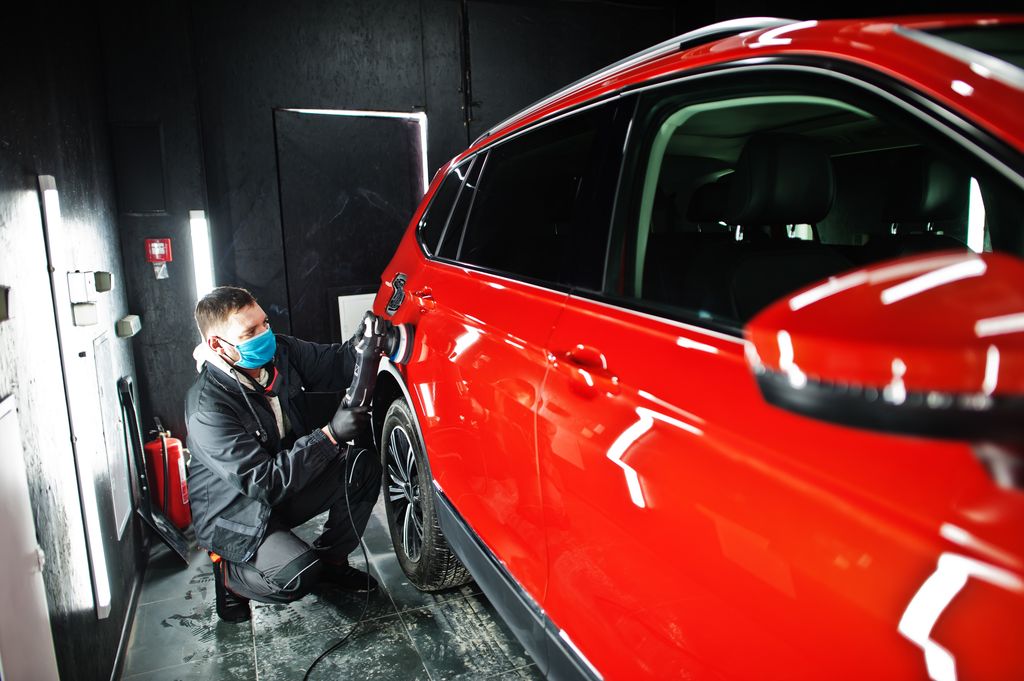
A coating locks in whatever is beneath it. If the paint has swirl marks, light scratches or oxidation, those flaws stay visible under the coating. That is why every coating job starts with preparation, and it is where precision at every turn begins, our certified installers inspect and prepare each panel before any coating touches the paint.
That work includes a thorough wash, decontamination to lift embedded particles and, where needed, machine polishing to refine the finish before a single drop of coating goes on.
The coating adds depth and gloss
Once the paint is clean and refined, the coating creates a smooth, glass-like layer that reflects light evenly. Colors look richer, metallic flakes stand out and dark paint gains a deeper, wet look. Because the surface is so slick, dust and grime have less to cling to, so the car keeps that just-detailed look longer between washes.
What a Coating Protects Against
A ceramic coating works as a sacrificial barrier. Contaminants hit the coating first, which gives you more time to remove them before they reach the paint.
- UV exposure: The coating helps slow the fading and oxidation that strong sun causes over time, which matters for cars parked outdoors in Southern California.
- Bird droppings, bug splatter and tree sap: These can etch clear coat if left to bake in the sun. Old Cars Weekly’s guide to cleaning droppings without damaging the paint explains that the uric acid in them can penetrate the clear coat. A coating gives you a wider window to wash them off safely.
- Road grime and brake dust: Dirt releases more easily from a coated surface, so washing takes less effort and less scrubbing.
- Water: The hydrophobic surface makes water bead up and roll off, carrying loose dirt with it.
- Minor wash marring: A hard, slick top layer helps reduce the fine marks that can build up from routine washing.
Each point above says “helps” for a reason. A coating improves your paint’s resistance to everyday damage. It does not make paint indestructible.
Where a Coating Falls Short
Setting the right expectations is part of doing the job properly. A Chase auto guide that asks of coatings, is it worth it, puts it plainly, the protective layer “is not impenetrable.” A ceramic coating will not:
- Stop rock chips. A coating is far too thin to absorb the impact of gravel or road debris at freeway speed. For that, you need paint protection film.
- Prevent deep scratches or dents. Keys, shopping carts and parking-lot contact can still damage the paint underneath.
- End the need for washing. Coated cars still get dirty. They are simply quicker and easier to clean.
- Rule out water spots. Minerals in tap water and sprinklers can still leave spots if water dries on the surface in the sun.
- Hide existing paint defects. Anything not corrected before application stays visible.
Ceramic Coating vs Wax and Sealants
Wax and synthetic sealants have been the standard way to protect paint for decades, and they still have a place. The difference comes down to durability and how often you need to reapply.
| Carnauba wax | Paint sealant | Ceramic coating | |
| How it sits on paint | Rests on top | Rests on top | Bonds to the clear coat |
| Typical lifespan | Weeks | Months | Years, with proper care |
| Gloss | Warm glow | Slick shine | Deep, glass-like gloss |
| Water behavior | Beads at first, fades | Beads well, fades | Strong, long-lasting beading |
| Upkeep | Frequent reapplication | Periodic reapplication | Regular maintenance washes |
If you enjoy waxing your car every few weekends, wax is a fine choice. If you want the shine to last without the routine, a professional ceramic coating removes the need for frequent waxing.
Ceramic Coating vs Paint Protection Film
Owners often weigh ceramic coating against paint protection film (PPF). They solve different problems.
PPF is a thick, clear urethane film designed to absorb physical impacts such as stone chips and road debris. A ceramic coating is a thin chemical layer focused on gloss, easier cleaning and resistance to environmental contaminants.
Many owners choose both. A common approach is PPF on the high-impact areas, such as the front bumper, hood, fenders and mirrors, with a ceramic coating across the rest of the car. That combination gives you impact protection where the car takes the most hits and a uniform gloss everywhere else.
How Long a Coating Lasts
With proper care, a ceramic coating can last two to five years. Where your car lands in that range depends on:
- The product used. Coatings vary widely in formula and rated durability.
- Preparation and application. A coating applied over properly cleaned and corrected paint bonds better and lasts longer.
- Exposure. A car parked in a garage will usually keep its coating longer than one that sits in full sun every day.
- Washing habits. Harsh chemicals and abrasive car washes wear a coating down faster.
How to Care for a Ceramic-Coated Car
A coating rewards good habits. These steps help it last, and our car care FAQ answers other common questions:
- Follow the curing instructions. Your installer will tell you how long to keep the car dry and when you can wash it for the first time.
- Hand wash when you can. Use a pH-neutral car shampoo, a clean microfiber mitt and the two-bucket method to keep grit off the paint. Consumer Reports’ car washing tips also stress regular washing to keep road grit, bugs and bird droppings off the finish.
- Avoid brush-type automatic car washes. Spinning brushes can leave fine marks and wear the coating faster.
- Remove contaminants quickly. Wash off bird droppings, sap and bug residue as soon as you see them, especially on hot days.
- Dry with a soft microfiber towel or air blower. This reduces the chance of water spots.
- Be selective with top products. Some waxes and polishes can mask the coating’s water-repelling surface. Use only the follow-up products your installer recommends.
- Book periodic check-ups. A professional inspection helps you spot wear early and keep the finish looking its best.
Who Benefits Most From a Coating
Ceramic coating is worth considering if you plan to keep your car for several years, park outdoors often or want a car that looks freshly detailed with less effort. It suits daily drivers as well as luxury sedans and high-performance cars, because the benefits come from easier upkeep as much as from appearance.
It may be less useful if your paint needs significant repair first, or if your main concern is rock-chip damage. In that case, paint correction or PPF should come first, with a coating added on top.
Frequently Asked Questions
1. Can a new car be coated?
Yes, and a new car is often a good candidate because the paint usually needs less correction. New cars can still pick up light marks during transport and dealer washes, so the paint should be inspected and prepared before coating.
2. Can a coating go over a wrap or PPF?
Some coatings are made for vinyl and film surfaces, while others are designed only for paint. Ask your installer whether their product suits your wrap or PPF before it is applied.
3. How long does a coating take to apply?
Timing depends on the paint’s condition, how much correction it needs and the product’s curing requirements. Your installer can give you an estimate after inspecting the car.
4. Is a coating worth it on an older car?
It can be, as long as the paint is sound. Older paint often needs more polishing before coating, and heavily oxidized or failing clear coat may need repair first.
5. Can a coating be removed?
A cured coating does not wash off. It wears down gradually over time, and a professional can remove what remains with machine polishing if the paint needs work or a fresh coating.
Professional Ceramic Coating in Buena Park
The results of a ceramic coating depend on the hands applying it. At Craftsman Wrap and Tint, our certified installers prepare every surface with care, apply premium-grade coatings in even layers and inspect each car before it leaves the shop.
Learn more about our ceramic coating service or request a quote for your vehicle. If you want lasting shine and dependable protection, a professionally applied ceramic coating is worth discussing with our team.