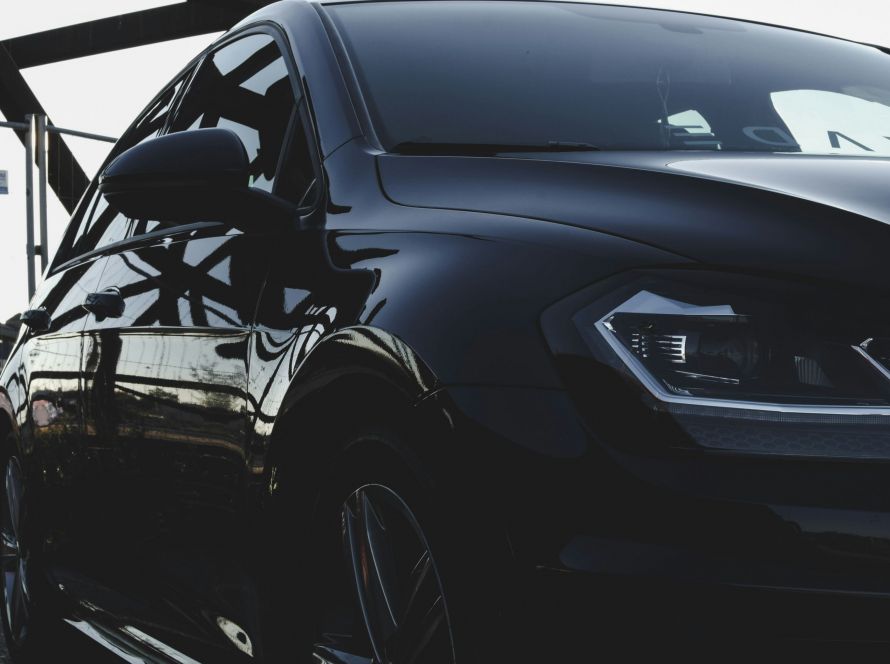
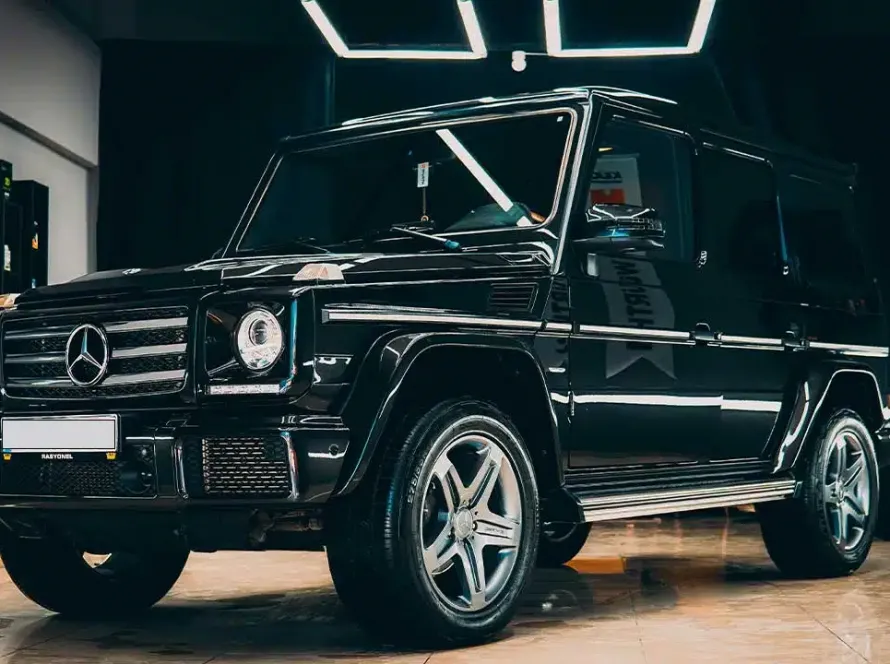
A car wrap is a layer of adhesive vinyl film applied over your vehicle’s paint to change its color, finish or look without a permanent respray. It can turn a gloss white sedan matte black, add a satin or color-shifting finish, or black out chrome trim, and it can be removed later to reveal the original paint underneath.
For Orange County drivers, a wrap is a flexible way to personalize a car. It also takes more planning than many people expect, from choosing a finish to understanding how Southern California sun affects the film over time.
How Vinyl Wrap Film Works
Professional wraps use cast vinyl films designed for vehicles. These films are thin and flexible, so they can be stretched and shaped around curves, bumpers, mirrors and door handles. Well-known film manufacturers include 3M, Avery Dennison and XPEL, and our vehicle wrap service uses films from all three.
On its product page (checked in 2026), 3M describes its Wrap Film Series 2080 as a “multi-layer dual cast adhesive-backed film” with nearly 100 colors, patterns and textures. The adhesive is designed to hold firmly while the wrap is on the car and to release cleanly when it is removed by a professional.
Because the vinyl sits on top of the factory paint, a wrap also acts as a protective layer. It can help shield the paint underneath from light scuffs and sun exposure during the life of the wrap.
Types of Car Wraps
Not every project needs a full wrap. The most common options are:
- Full color-change wrap: Covers all visible painted surfaces for a complete new look.
- Partial wrap: Covers selected areas, such as the roof, hood, mirrors or a lower section, for contrast or accent.
- Accent and trim wraps: Smaller details, such as stripes, pillars or spoilers.
- Chrome delete: Covers chrome window trim, grilles and badges in black or another finish for a cleaner, modern look. See our chrome delete service for details.
A partial wrap or chrome delete can be a good first step if you want to change the car’s character without committing to a full color change.
Choosing a Color and Finish
Today’s wrap films come in a wide range of colors and textures. Common finishes include:
- Gloss: Looks closest to factory paint, with strong reflections.
- Matte: Flat, non-reflective and bold. It shows the car’s lines clearly.
- Satin: A soft sheen between gloss and matte, popular for a refined, modern look.
- Metallic: Fine flakes that sparkle in direct light.
- Color-shift or color flip: Changes hue depending on the viewing angle.
- Custom designs: Printed graphics or patterns for a one-off look.
Try to see film samples in person and in natural daylight before deciding. Colors can look very different on a screen, under shop lighting and in bright Orange County sun. Matte and satin finishes also need slightly different care from gloss films, so factor upkeep into your decision.
How Long Does a Car Wrap Last in Southern California?
With proper care, a high-quality wrap can last five to seven years, depending on exposure and maintenance. Several factors affect where your wrap lands in that range:
- Sun exposure. UV and heat are the main causes of wrap wear. Cars parked outdoors every day will usually age faster than garaged cars. Edmunds’ guide to wrapping your car warns that prolonged sun can “bake” the vinyl into the paint, making it harder to remove later.
- Surface angle. Horizontal surfaces such as the hood, roof and trunk take the most direct sun. As of 2026, 3M’s warranty for its 2080 series, for example, covers up to eight years on vertical surfaces but up to three years on horizontal surfaces, with reduced coverage in desert regions of the Southwestern US.
- Film quality. Premium cast films are made to hold their color and adhesion longer than lower-grade films.
- Installation. Well-finished edges and seams, the kind of detail our certified installers handle with care, resist lifting and peeling.
- Care. Gentle washing and prompt cleanup of contaminants extend the wrap’s life.
Keeping the car in a garage or under cover when possible is one of the simplest ways to get more years from a wrap.
Car Wrap vs Paint vs PPF
A wrap is one of three main ways to change or protect your car’s exterior. Each serves a different goal, and Old Cars Weekly’s comparison of which is the better choice covers the wrap-versus-paint trade-offs in more detail.
| Vinyl wrap | Repaint | Paint protection film (PPF) | |
| Main purpose | Change color or finish | Permanent color change or repair | Protect existing paint |
| Reversible | Yes, when removed professionally | No | Yes |
| Appearance | Wide choice of colors and finishes | Any color, permanent | Clear (some films are matte or tinted) |
| Paint protection | Light scratches, sun, minor abrasions | None beyond the paint itself | Stone chips, scratches, road debris |
If your priority is protecting the factory finish from chips rather than changing its color, paint protection film is usually the better fit. Some owners combine the two, with PPF on high-impact areas and a wrap elsewhere, so talk through your goals with your installer.
What to Check Before You Book
A little preparation leads to a better result and fewer surprises.
Your paint’s condition
Vinyl adhesive needs a sound surface to bond to. If your car has chips, peeling clear coat, rust or an aftermarket respray, mention it during your consultation. A wrap can hide the color underneath, but it will not repair damaged paint, and weak paint can lift when the wrap is eventually removed.
The film brand and warranty
Ask which manufacturer and film series will be used and what warranty applies. Film warranties typically depend on the product, the surface and the climate, so get the details in writing.
Coverage and seams
Ask how door jambs, edges and complex areas such as bumpers and mirrors will be handled. Some parts may be removed during installation for cleaner edges. Knowing where seams will sit helps you understand how the finished car will look up close.
Timing
A full wrap takes careful preparation and installation, so expect your car to stay at the shop for a period of time. Your installer can give you a timeline based on your vehicle and the scope of the job. Booking a consultation first lets you see samples, confirm coverage and agree on a schedule before work begins.
Registration
If you change your car’s color completely, check with the California DMV whether your vehicle record needs to be updated.
What Happens During a Professional Wrap
While every shop has its own process, a professional wrap usually follows these stages:
- Consultation: You choose the film, finish and coverage, and the installer inspects the paint.
- Preparation: The car is washed and decontaminated so the vinyl bonds to a clean surface.
- Disassembly where needed: Some parts, such as badges or handles, may be removed for cleaner wrapping.
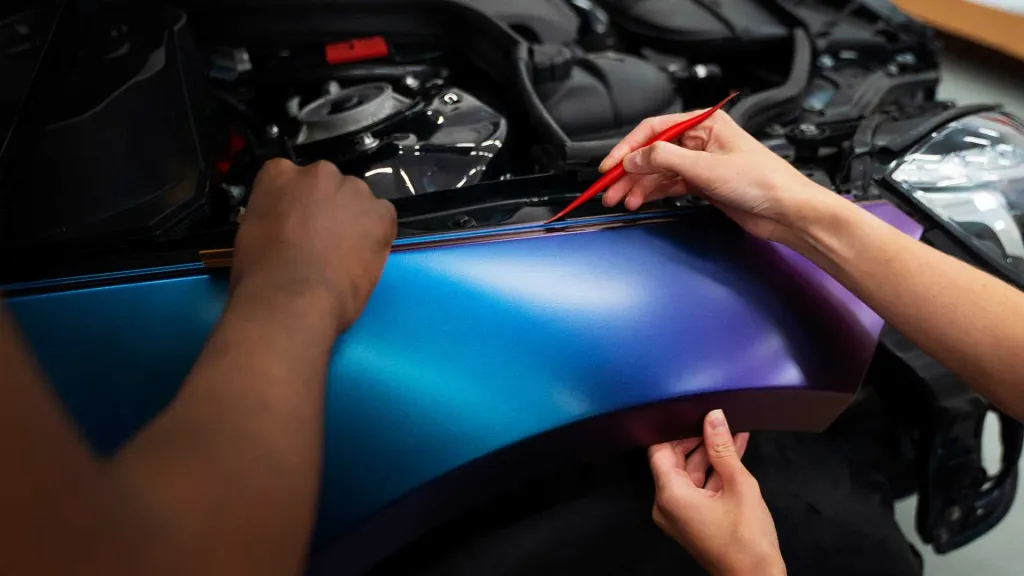
- Installation: The film is applied panel by panel, stretched around curves and trimmed precisely.
- Post-heating and inspection: Edges and recessed areas are heated to help set the adhesive, then the car is checked for lifting, bubbles and finish quality.
Caring for Wrapped Paint
3M advises that a wrapped car “should receive the same care as car paint” and recommends a brushless car wash without wax, or a hand wash with a mild detergent that has no additives. A few habits help your wrap look its best:
- Hand wash or use a touchless wash. Avoid brush-type automatic car washes.
- Dry thoroughly. This helps prevent water spots, especially on dark and matte films.
- Clean contaminants promptly. Remove bird droppings, bug residue and fuel spills quickly so they do not stain the film.
- Use wrap-safe products. Avoid abrasive polishes, and do not wax matte or satin finishes.
- Park in the shade when you can. Less direct sun means slower fading.
Car Wrap FAQs
1. Will a car wrap damage my paint?
On sound factory paint, a quality wrap protects the surface beneath it, and professional removal should leave the paint in good condition. Damaged or resprayed paint carries more risk, which is why the paint is inspected first.
2. Can I wrap a leased car?
Many drivers wrap leased cars because the film can be removed before the car is returned. Check your lease agreement for any rules on modifications before you book.
3. Can I put a protective coating on a wrap?
Some ceramic coatings are made for vinyl, and they can make a wrap easier to clean. Ask your installer which products are safe for your specific film and finish.
4. Can a damaged wrap be repaired?
Damage to one panel can often be fixed by rewrapping that panel instead of the whole car. Matching color can be harder on an older wrap, since film changes slightly as it ages in the sun.
5. When can I wash my car after a wrap is installed?
The adhesive needs time to settle after installation. Ask your installer how long to wait before the first wash and follow their care instructions from there.
Car Wrap Services in Buena Park
A wrap is only as good as its installation. Clean edges, tidy seams and careful trimming are what make a wrap look like factory paint rather than a sticker. At Craftsman Wrap and Tint, our certified installers handle every wrap with precision, using films from trusted brands including 3M, Avery Dennison and XPEL.
Request a quote to start planning your wrap. If you are ready to transform your car’s look while helping protect the paint underneath, a professionally installed car wrap gives you that change without a permanent respray.